













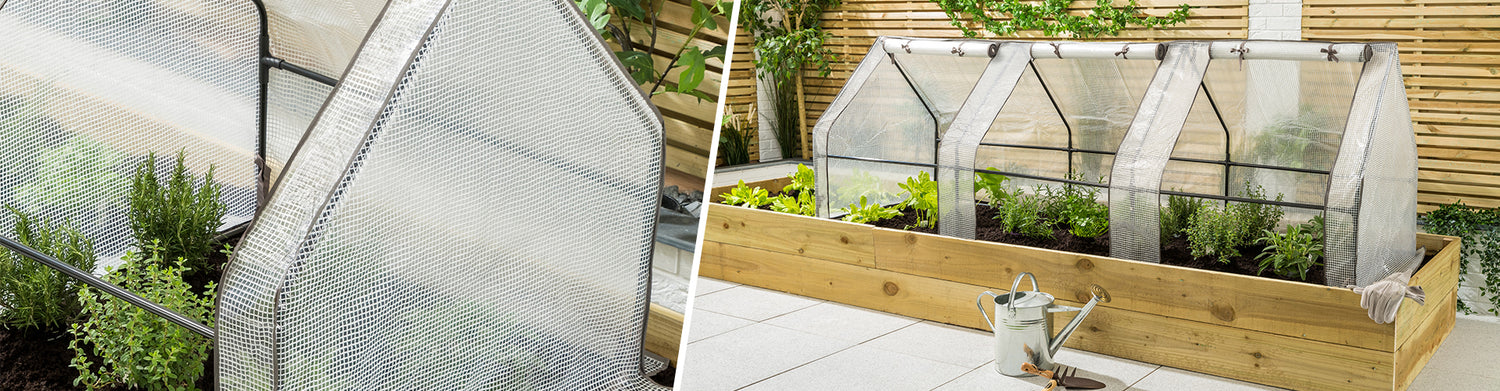
Growing fruit and vegetables is a rewarding pastime, but it comes with its challenges – especially pests and unpredictable weather. If you’re tired of waking up to damaged crops, a grow tunnel is a simple and effective way to protect them from insects, wind, and rain.
What is a Grow Tunnel?

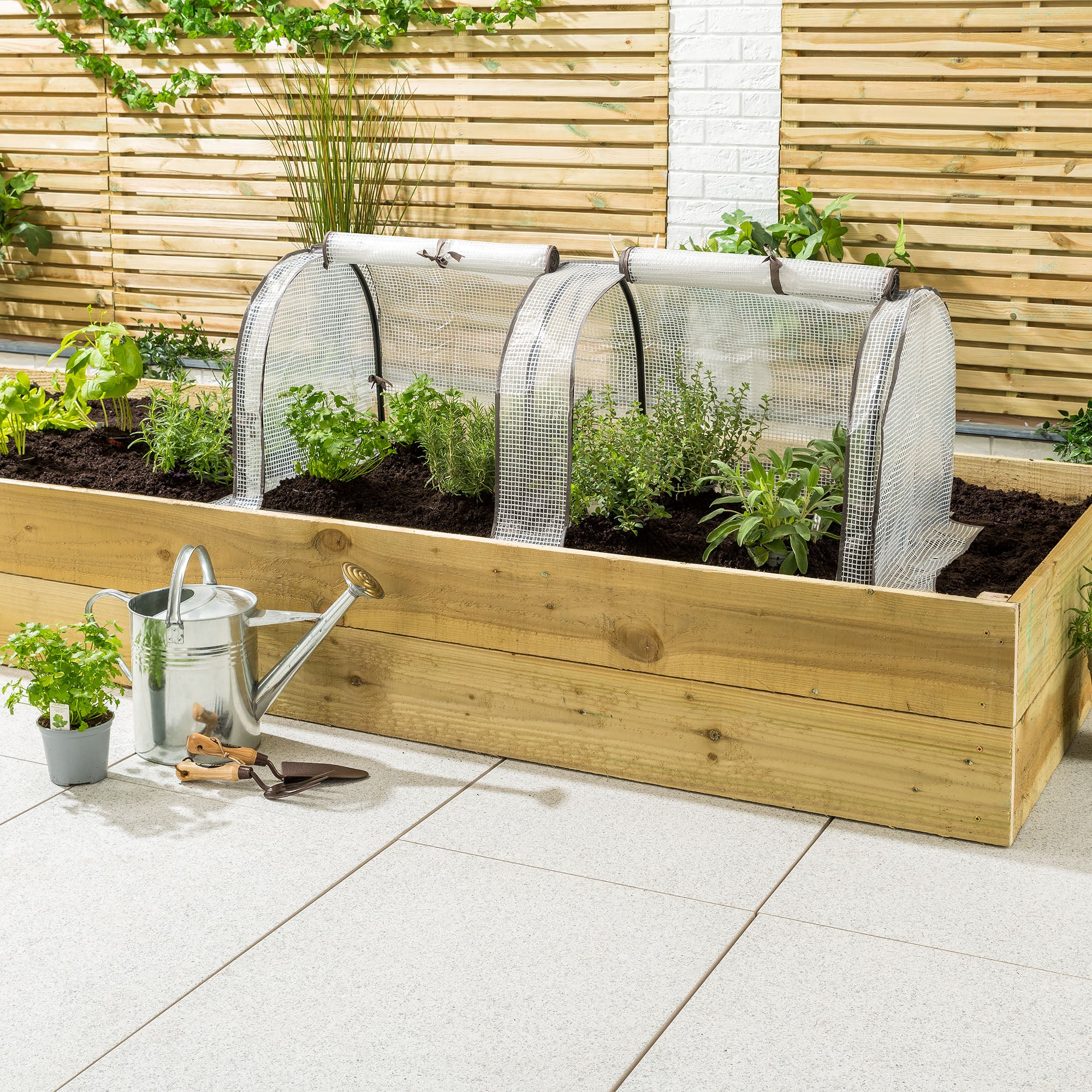
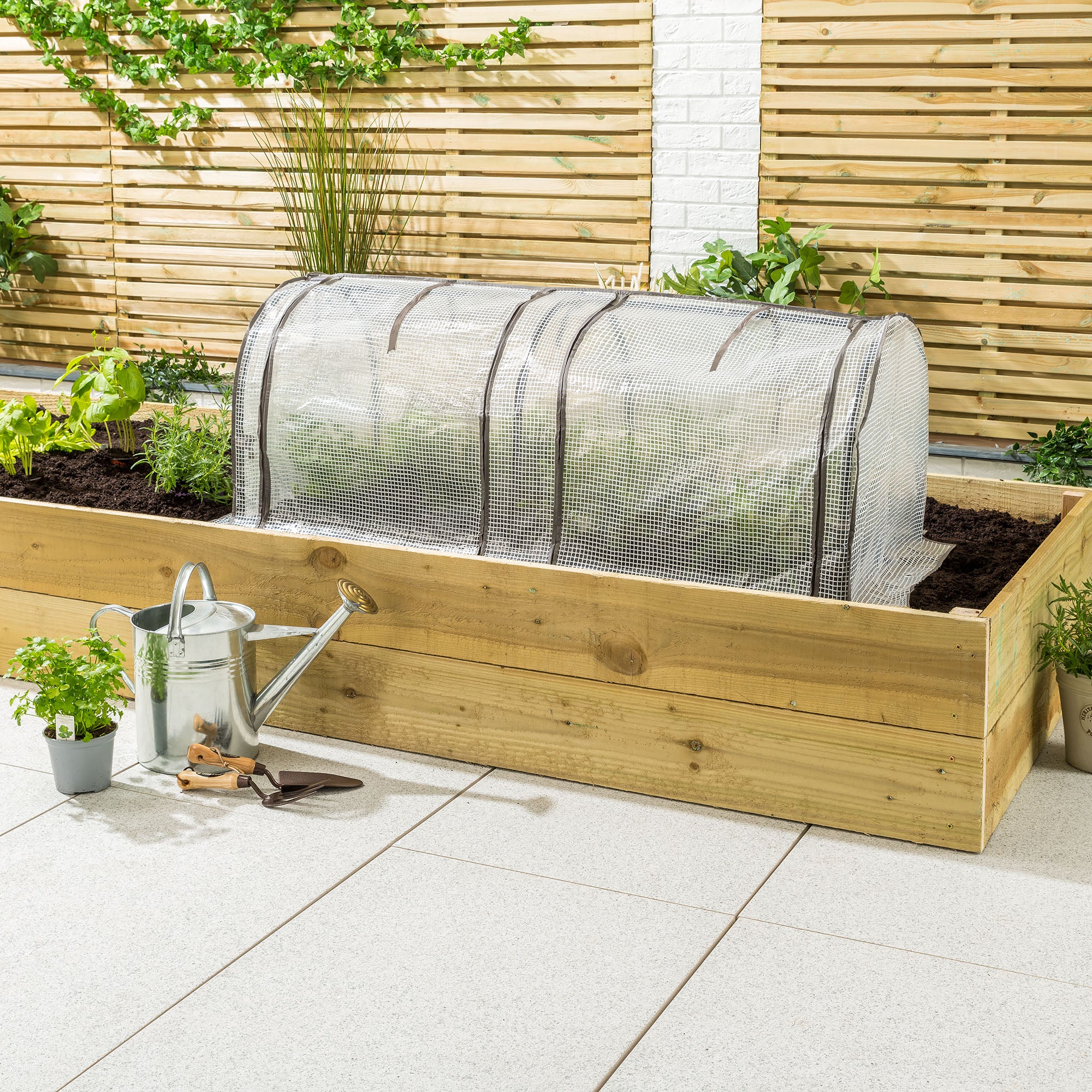
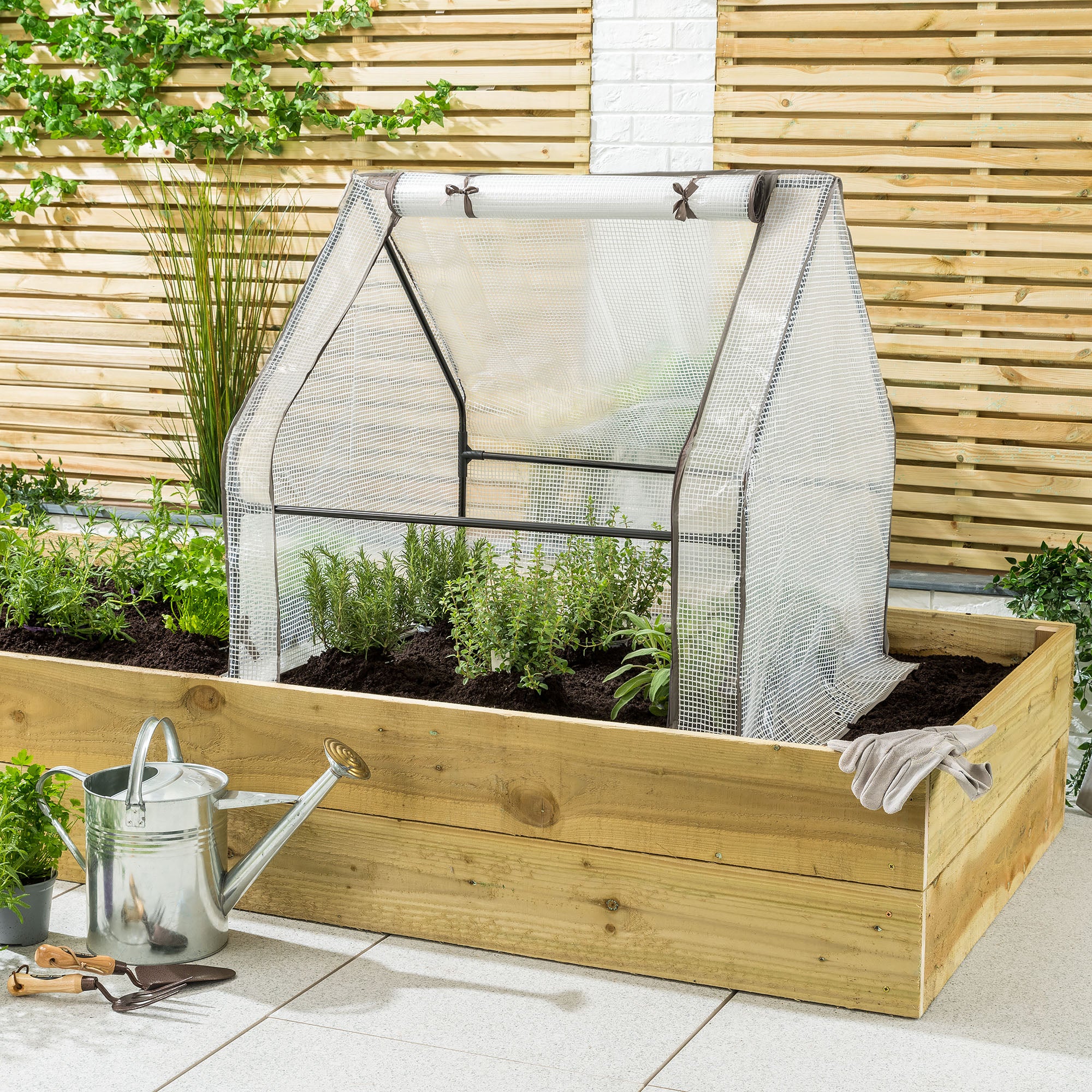
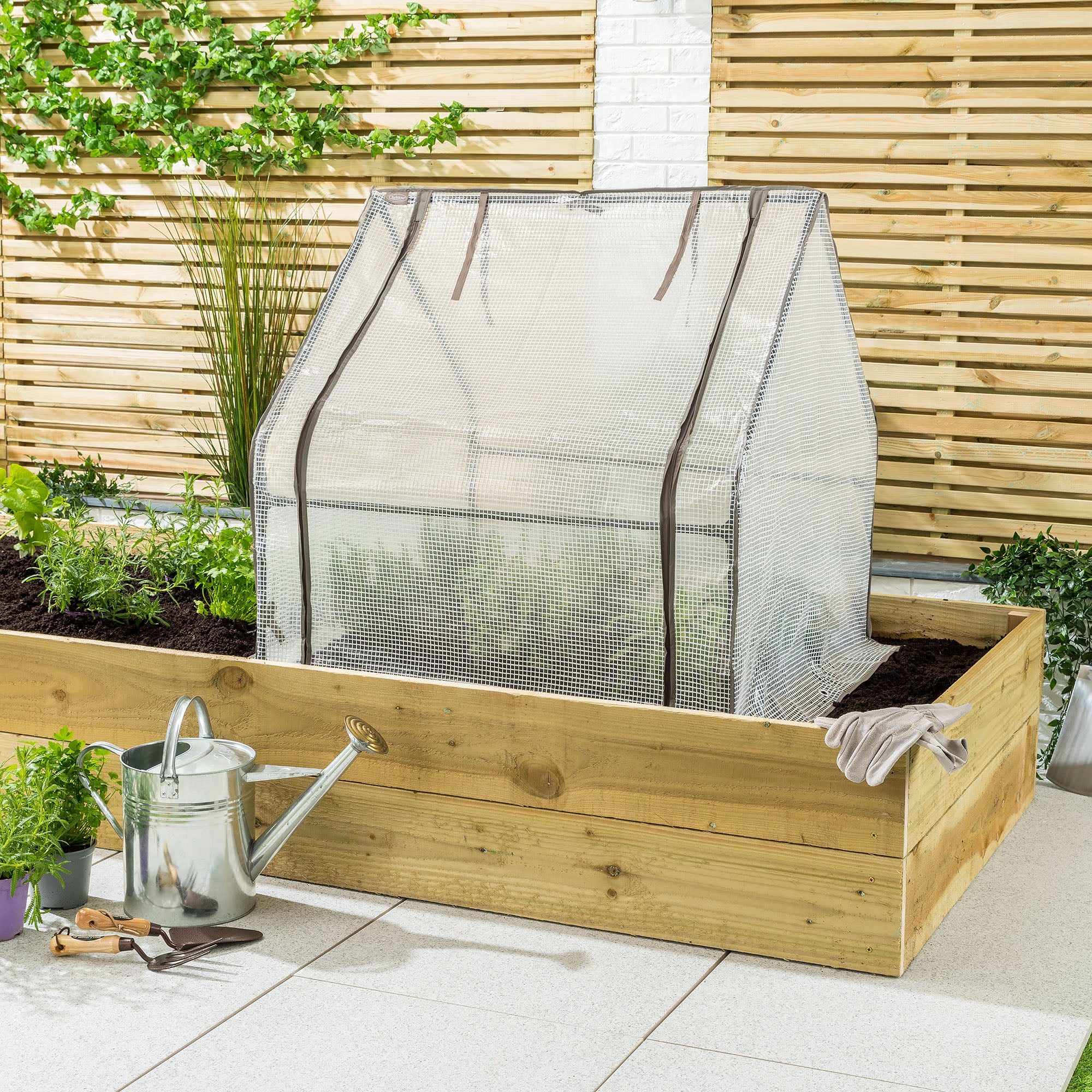
A grow tunnel is a compact version of a polytunnel, making it ideal for smaller garden spaces. With a semi-circular shape and a clear cover supported by a steel frame, it creates a warm, sheltered environment for fruit and vegetables to thrive.
Placed over garden beds or ground crops, a grow tunnel forms a protective barrier against pests while shielding plants from wind, frost, and heavy rain. The cover is also UV-resistant, helping to prevent damage and protect crops from harmful rays.
Using a Grow Tunnel
Even with a small garden, you can still grow your own fruit and vegetables. A grow tunnel creates a protected growing space over a garden bed or a raised bed on a patio or decking, helping crops thrive throughout the seasons.
SpringIn spring, use a grow tunnel to warm the soil and create ideal conditions for sowing seeds and transplanting crops. The warmer environment allows you to start growing earlier and gives plants a strong start. It’s a great time to plant brassicas, root vegetables, and leeks, while leaving tomatoes and peppers until later in the season.
|
SummerDuring summer, your crops will grow quickly, so it’s important to regulate the temperature inside the tunnel to promote healthy growth. Open the doors during the day to prevent overheating and close them in the evening to protect against pests. You can continue planting crops like lettuce, salad leaves, and strawberries for a steady harvest.
|
AutumnAs temperatures begin to drop, a grow tunnel helps extend the growing season by keeping plants warm and sheltered. It’s ideal for growing leafy greens and hardier crops such as kale, lettuce, spinach, carrots and radishes. Autumn is also a good time to sow broad beans and plant garlic, shallots and onions for the following season. |
WinterIn winter, make sure your grow tunnel is securely anchored with garden pegs to protect it from strong winds. Adding extra weight, such as bricks or stones around the edges, helps retain warmth and reduce draughts. You can continue growing hardy crops like cabbage, broccoli, leeks, and root vegetables throughout the colder months. |
Types of Grow Tunnel
Our grow tunnels are available in two heights – 60cm and 92cm – making them suitable for a variety of crops and garden spaces. Each comes with two, three, or four sections to cover shorter or longer plots.
They’re easy to assemble, with a reinforced PE cover that fits over a slot-together frame. The cover features a white mesh between two layers of polyethylene for added strength and durability.
Roll-up doors on each section allow you to control airflow and create different growing conditions. This makes it easy to manage moisture levels and temperature for different crops within the same tunnel.
Small Grow Tunnel
Small grow tunnels are ideal for protecting seedlings and growing lower crops, such as lettuce, spinach, radishes and carrots. Their compact size makes them easy to move and reposition as plants develop. Many gardeners use them to protect young plants before transferring them to larger beds.

Large Grow Tunnel
Large grow tunnels offer more space for covering bigger plots and growing a wider variety of crops. Their increased height makes them suitable for taller plants, while still providing protection from pests and the elements. They’re a great option if you want to grow more herbs and vegetables in one space.

Explore Other Growing Solutions
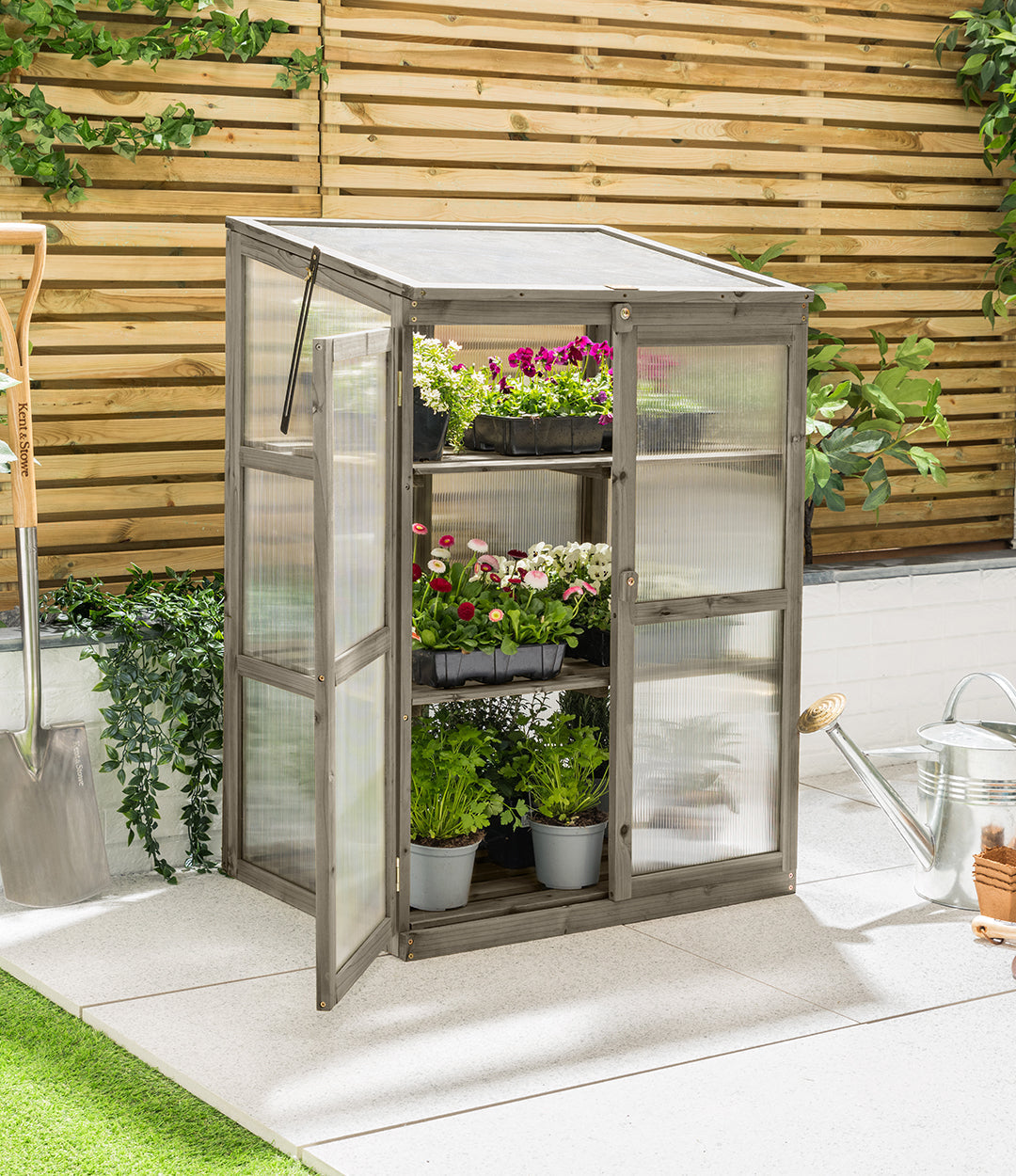
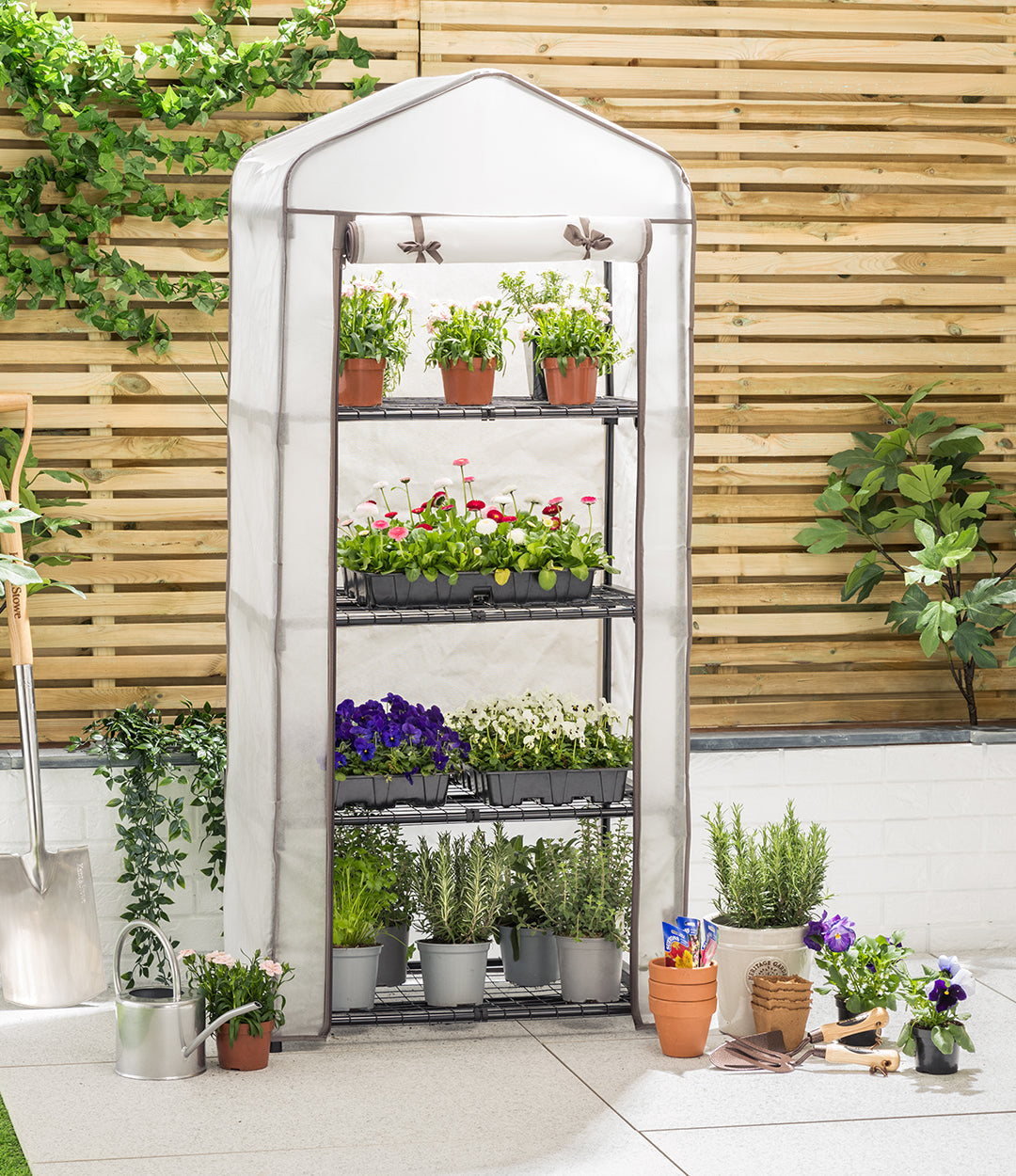
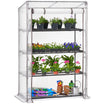
If you’re looking for other ways to grow your own, explore our range of greenhouses, growhouses and cold frames. Available in a range of sizes and styles, they include shelves for growing plants in pots, making them ideal for gardens without beds.