


If you’re keen to grow your own plants but don’t have space for a greenhouse, a cold frame is a simple and effective solution. Compact and easy to use, cold frames create the ideal conditions for plants to thrive in smaller spaces. They’re perfect for getting seedlings off to a strong start in spring, supporting healthy growth through the warmer months, and protecting crops from cold weather during the winter.


What is a Cold Frame?
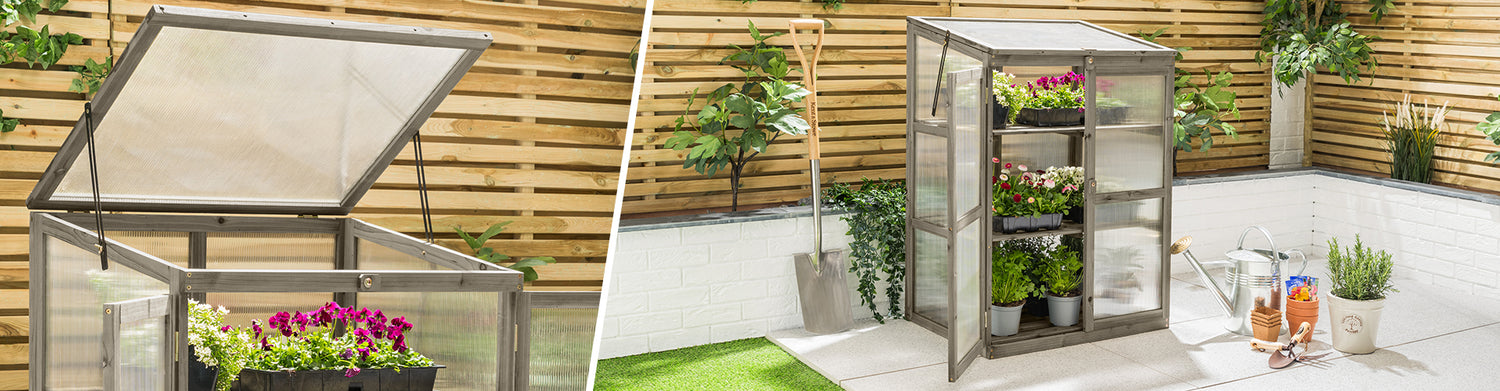
A cold frame is a low, enclosed structure designed to protect plants from the elements while helping them grow in cooler conditions. Typically made from a sturdy wooden frame with transparent panels, it acts like a mini greenhouse by trapping warmth from the sun and shielding plants from wind, rain, and frost.
Most cold frames are designed with a slanted lid, allowing them to capture as much sunlight as possible throughout the day. This not only maximises light exposure but also helps to gently raise the temperature inside, creating a more stable environment for plants to grow, even when the weather outside is less favourable.
How to Use a Cold Frame
Plants grown in a cold frame are often stronger and more resilient, continuing to grow long after they would normally struggle outdoors. With the right care and attention, you can extend your growing season and enjoy homegrown produce for longer. Caesar salad with Christmas dinner, anyone?
SpringIn spring, a cold frame helps to create a warmer, more stable environment for early planting. If the ground is still cold or frosty, you can place your cold frame over soil to help warm it up ahead of sowing and create better growing conditions for young plants. Cold frames with shelves are ideal for starting seedlings and young plants in pots before moving them outdoors. You can also use your cold frame to gradually acclimatise plants to outdoor conditions as temperatures rise, helping them grow stronger in summer. AutumnIn autumn, a cold frame helps to extend the growing season by protecting plants from cooler temperatures and increased rainfall. Instead of harvesting everything at once, you can leave crops in place for longer, allowing them to continue growing in a more sheltered environment. You can also use your cold frame to protect late-season crops and prepare plants for the colder months ahead. Adding a layer of dry leaves inside the frame can help improve insulation and retain warmth, creating better conditions for hardy vegetables as temperatures begin to drop. |
SummerIn summer, a cold frame can be used to help regulate temperature and protect plants from sudden changes in weather. On warmer days, open the lid to prevent overheating and allow fresh air to circulate, then close it again in the evening as temperatures begin to drop. Cold frames with shelves are ideal for supporting potted plants and creating a warm, sheltered environment during early summer. As the season progresses, they can be used to maintain consistent growing conditions and protect more delicate plants from strong sun or heavy rain. WinterIn winter, a cold frame allows you to continue growing while protecting plants from frost and harsh weather. While many plants struggle in colder conditions, a cold frame creates a sheltered environment, helping hardy crops survive and continue growing through the colder months. Cold frames designed to sit directly over the soil are also useful for protecting dormant plants until they are ready to grow again in spring. By shielding them from frost, wind, and excess moisture, they help prevent damage and provide more stable conditions during the harshest months. |


What You Can Grow in a Cold Frame
A cold frame can be used to grow a wide variety of plants throughout the year, from early seedlings in spring to hardy crops in winter. What you choose to grow will depend on the season, but with the right approach, a cold frame can support everything from fresh produce to flowers and young plants.
Vegetables
Cold frames are ideal for growing vegetables across different seasons. Cooler-weather crops such as lettuce and carrots grow well in the protected conditions, while heat-loving plants like tomatoes and chillies benefit from the extra warmth earlier in the year.
Herbs
Many herbs grow well in a cold frame, making it easy to keep a steady supply for cooking. Varieties such as parsley, coriander, and chives can be grown in sheltered conditions, helping them stay productive for longer and providing fresh ingredients throughout the year.
Flowers & Bedding Plants
Cold frames are also useful for growing flowers and bedding plants, especially during the early stages of growth. Plants like marigolds, pansies, and petunias can be started off in a cold frame before being moved outdoors once conditions improve.
Seedlings & Young Plants
A cold frame is perfect for starting seedlings and nurturing young plants before transferring them into your garden. It can also be used to gradually acclimatise plants to outdoor conditions, helping them develop into stronger, more resilient plants.
Mistakes to Avoid when Using a Cold Frame
Using a cold frame is simple, but a few common mistakes can limit its effectiveness. By avoiding these issues, you can create better growing conditions and get the most from your plants throughout the year.
Not Ventilating Properly
Cold frames can heat up quickly, even on cooler days. Failing to open the lid can cause temperatures to rise too high and damage plants, so ventilate your cold frame regularly to keep conditions stable.
Overwatering Plants
Because cold frames protect plants from rain, it’s easy to overcompensate by watering too often. Check the soil regularly and only water when needed to avoid waterlogging plants and causing root damage.
Placing It in the Wrong Location
A cold frame needs plenty of sunlight to work effectively and promote healthy growth. Placing it in a shaded or exposed area can reduce its ability to retain warmth and protect plants from the elements.
Ignoring Temperature Changes
Temperatures can fluctuate throughout the day, especially in spring and autumn. Opening and closing the lid as needed helps prevent sudden changes that could stress or damage your plants.
Choosing a Cold Frame
At Christow, our cold frames come in a range of styles to suit different growing needs, whether you’re working with potted plants or planting directly into the ground. Available in a natural wood or grey-painted finish, each frame is built to be durable, practical, and easy to use throughout the year.
The natural wood design is treated to protect against rot and insects, while the grey finish offers a more contemporary look for modern outdoor spaces. For long-lasting protection, we recommend retreating your cold frame with an extra coat of protective paint or wood preservative each year.
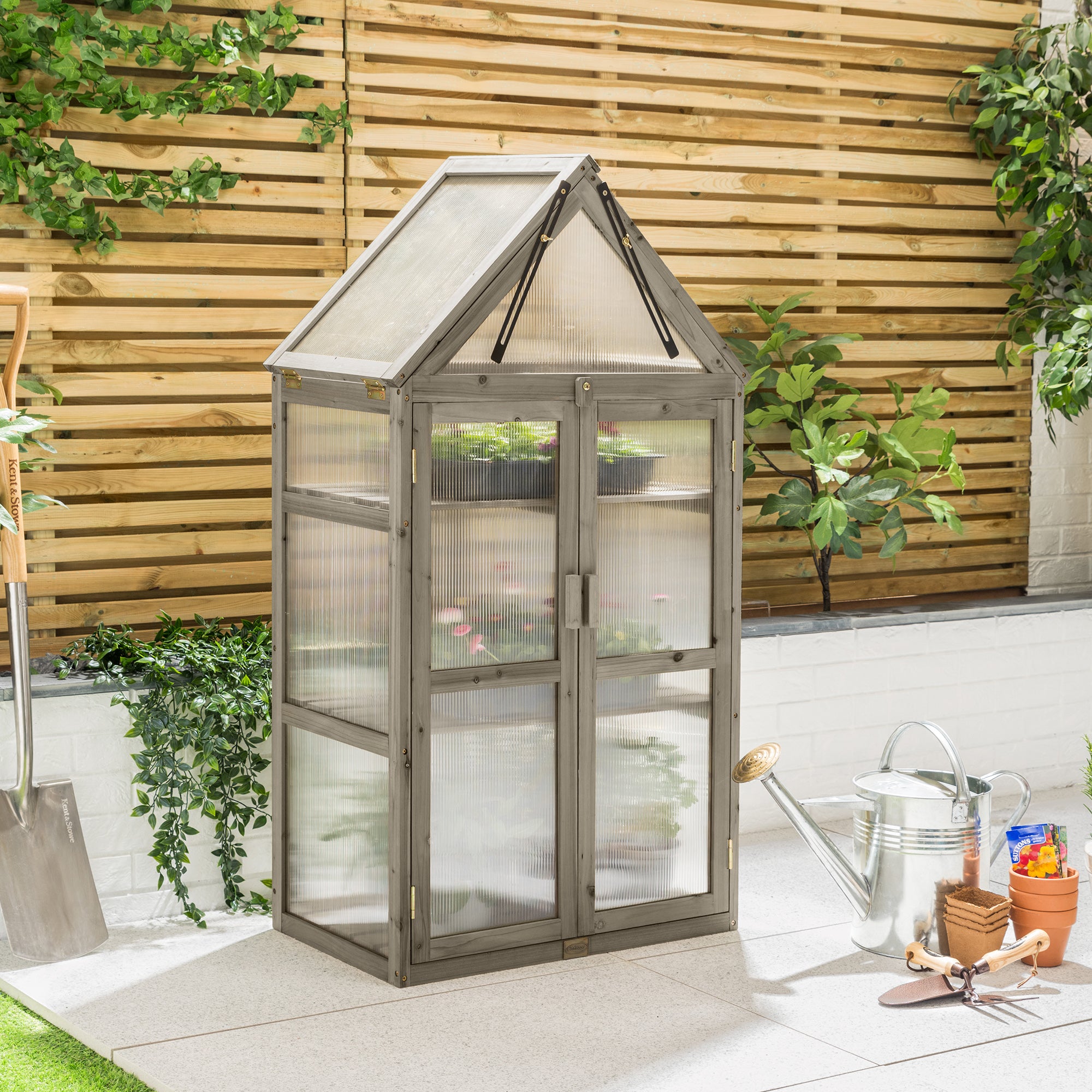
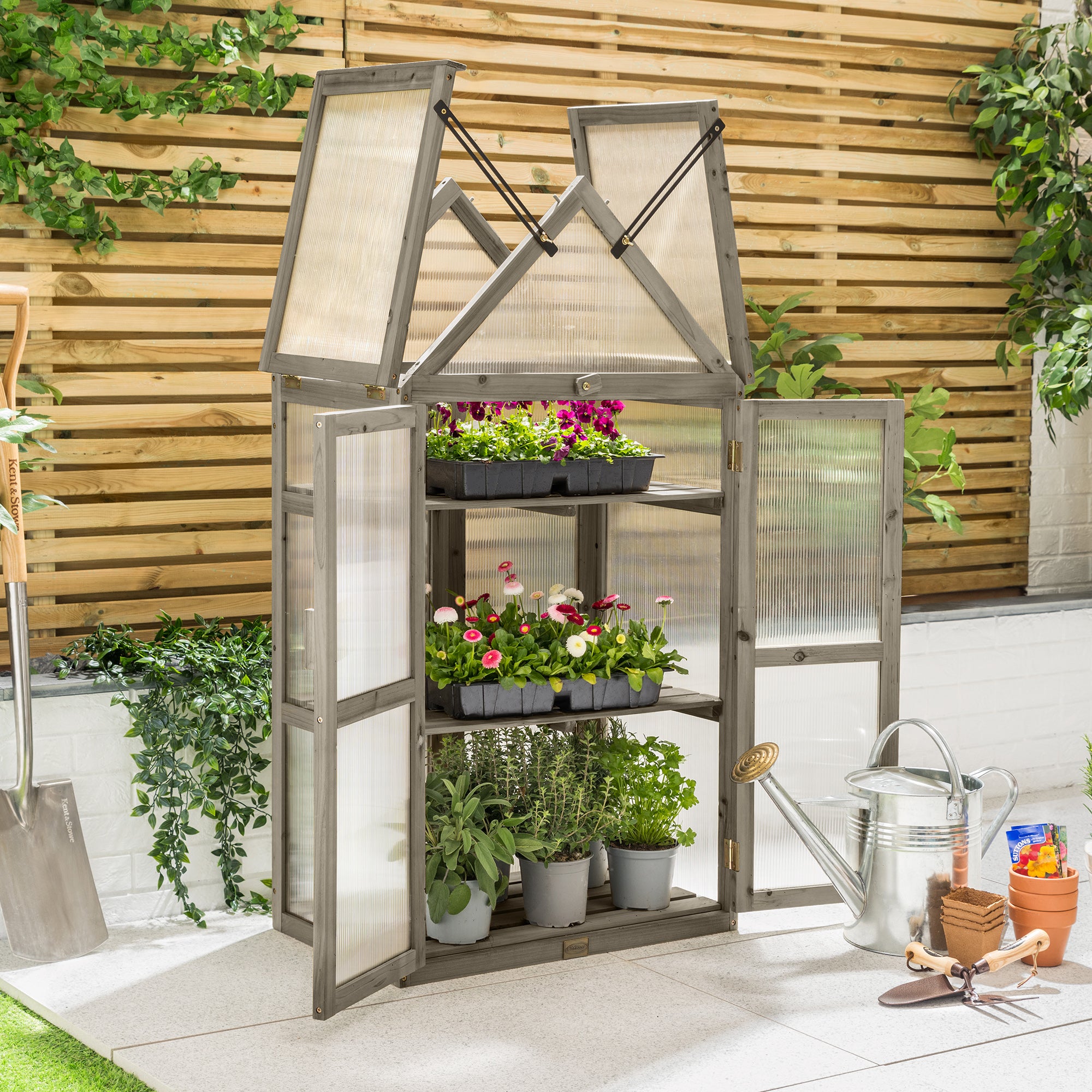
Apex Cold Frame Greenhouse – 3 Tier
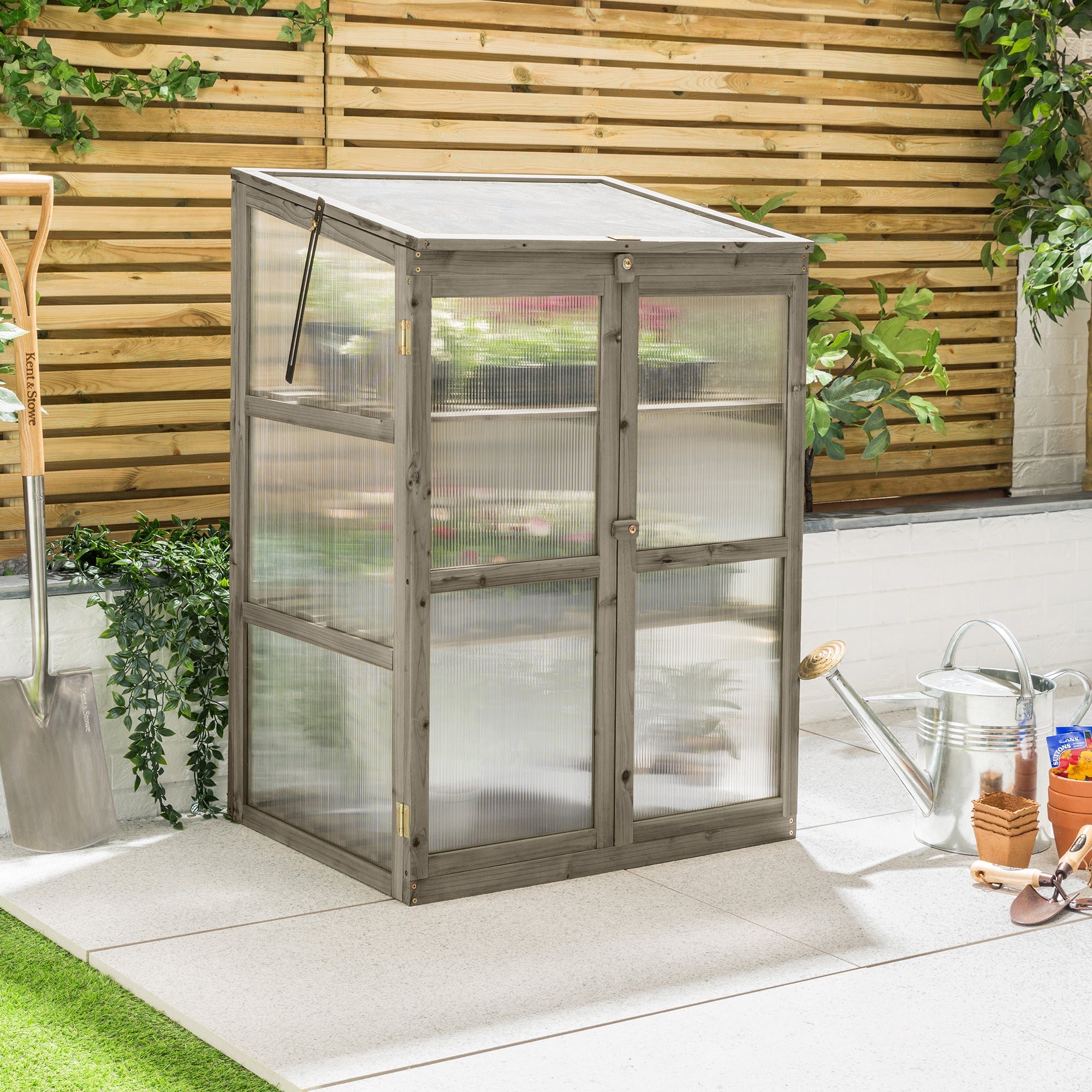
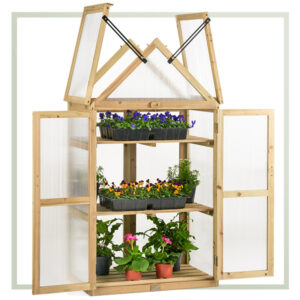
The Apex Cold Frame is designed to maximise growing space, with a tall, peaked roof that provides extra height for larger plants. Multiple removable shelves offer plenty of room for potted plants and can be taken out to create space for taller plants or ground planting.
With openable lids and front doors, it’s easy to access your plants and regulate the temperature throughout the day. Polycarbonate panels on all sides help to diffuse sunlight evenly while retaining warmth, creating ideal conditions for growing a wide range of plants.

Lean-To Cold Frame Greenhouse – 3 Tier
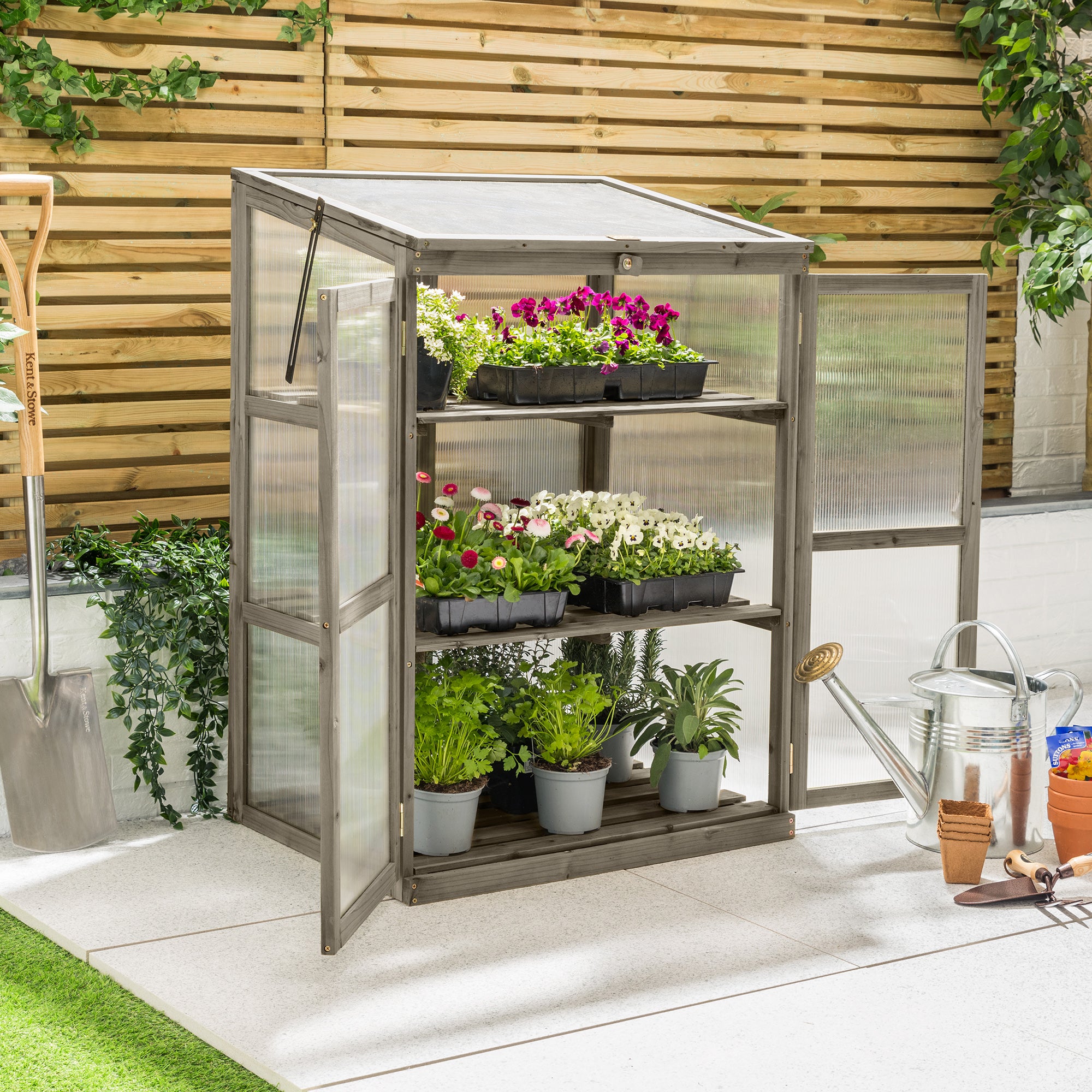
The Lean-To Cold Frame features a wider design, making it ideal for growing more plants in a compact space. Tiered shelving provides room for pots and trays, while the lift-up lid allows you to easily access plants on the top shelf and regulate the temperature.
Removable shelves and panels give you the flexibility to grow taller plants or position the frame over soil if needed. Polycarbonate panels help to maximise light exposure while protecting plants from the elements, creating a warm and sheltered growing environment.

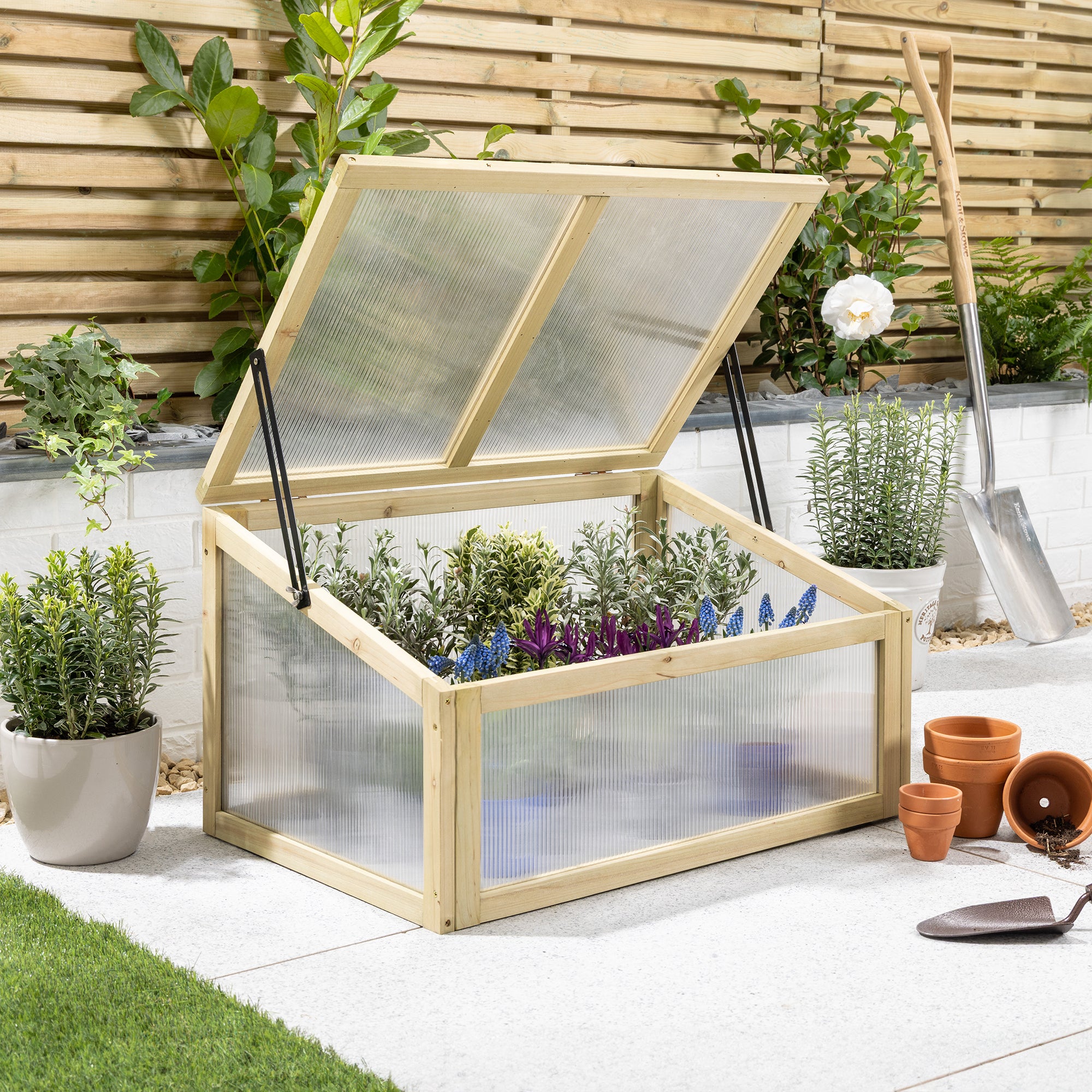
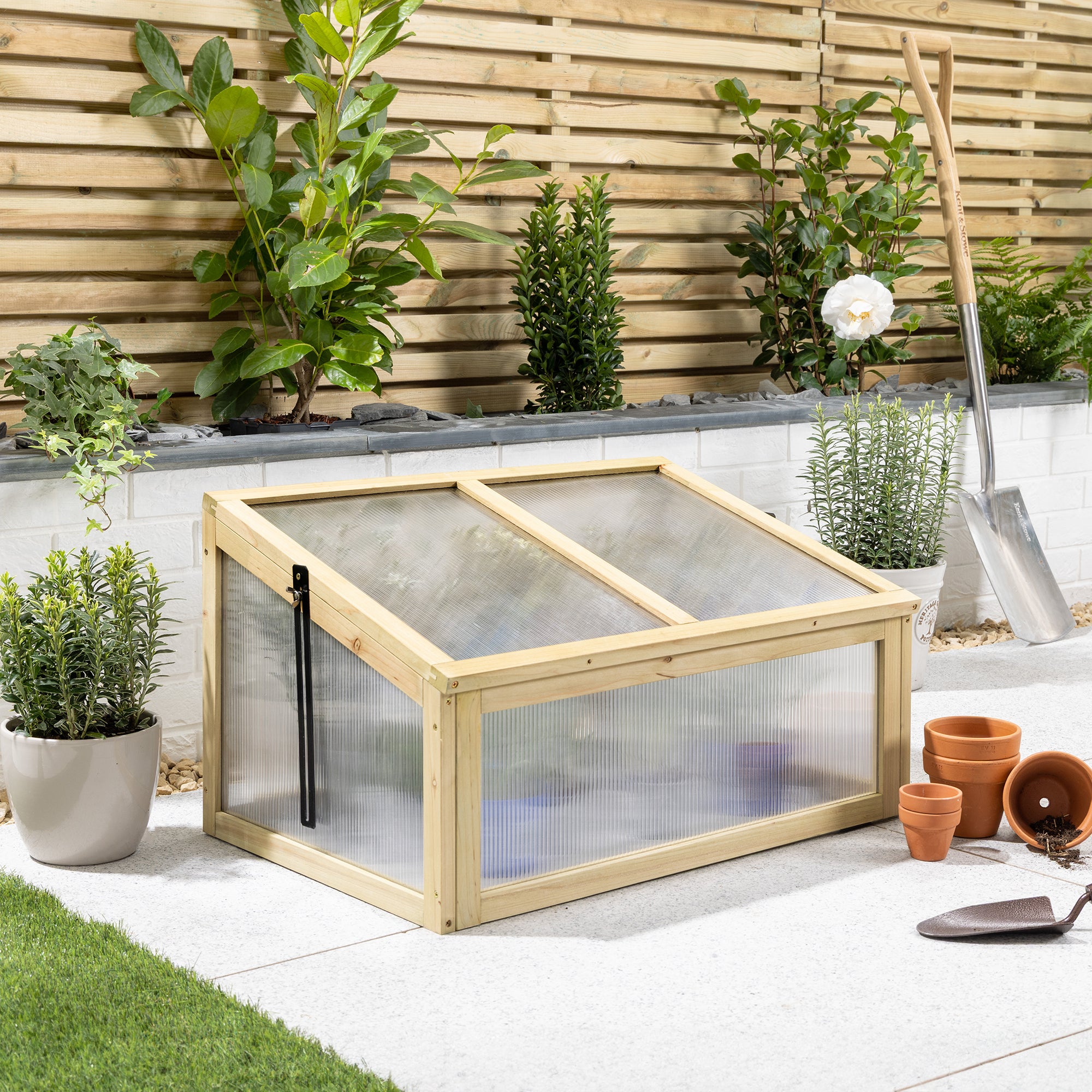
Raised Bed Cold Frame (100cm & 70cm)
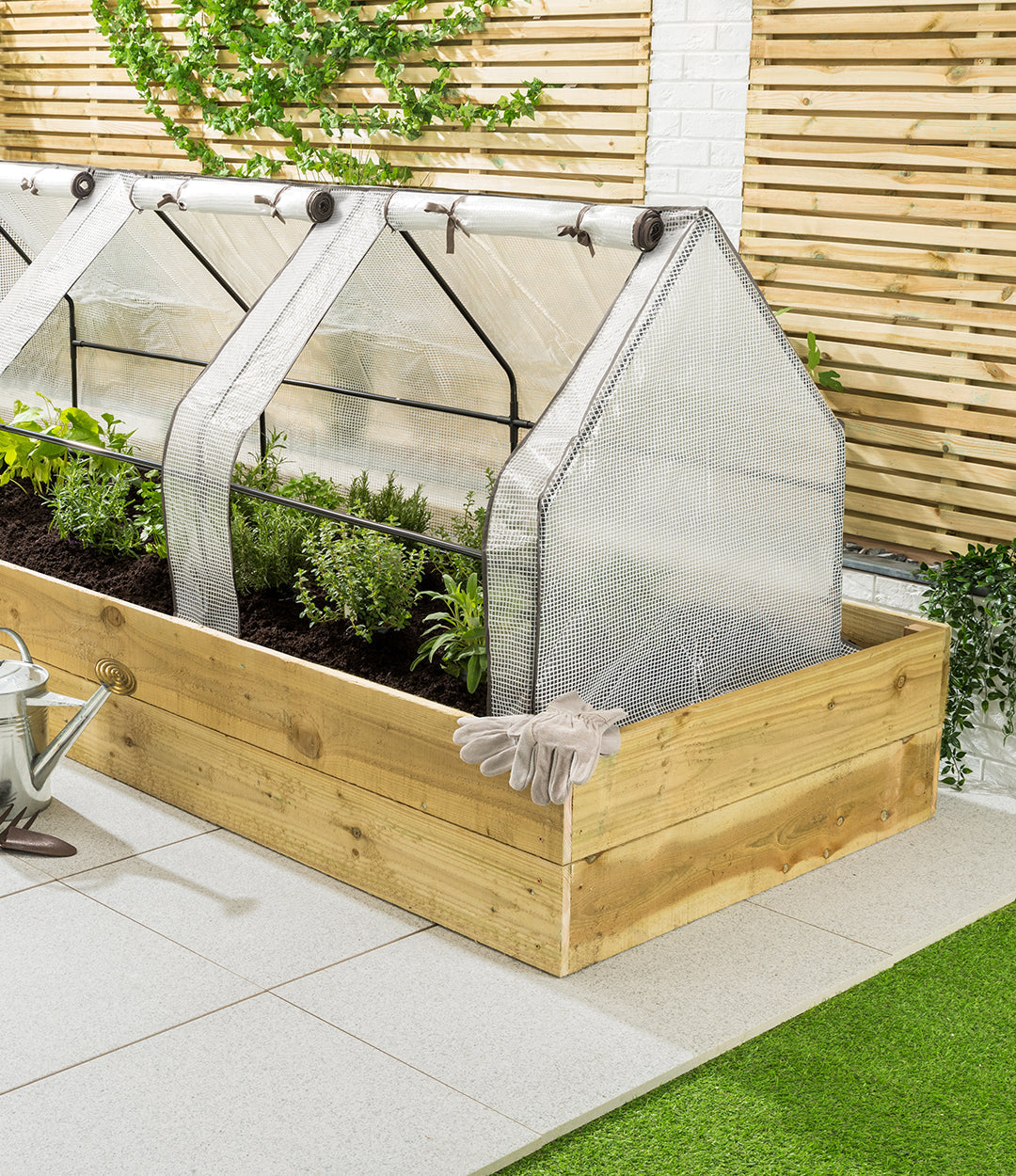
The Raised Bed Cold Frame is designed to sit directly over soil, making it perfect for protecting crops grown in garden beds. Available in both 100cm and 70cm widths, it offers flexibility depending on the size of your space or the type of plants you’re growing.
Its lightweight design makes it easy to move around your garden, while built-in supports help keep it secure in windy conditions. With a large opening lid and light-diffusing panels, it provides easy access to your plants while creating a warm, sheltered environment.